

Running from 20th June to 3rd July, the UK’s annual environmental film festival brings together stories from across the globe that ask not only how the planet is changing, but how people are choosing to live through what comes next.
Across melting ice fields, sinking cities and communities rebuilding after disaster, the films move between the intimate and the epic with remarkable visual ambition. There are climate researchers raising six children at sea, vast frozen landscapes on the brink of disappearance, and one quietly unforgettable Canadian cottage that feels destined for cult status. Together, the selection confronts urgent environmental realities with humanity, beauty, curiosity and hope.

In AGATHA’S ALMANAC, artist Amalie Atkins introduces her aunt Agatha: a fiercely independent nonagenarian living alone on her ancestral farm in rural Canada. Shot on luminous 16mm film, the documentary follows a gently radical life built around seed-saving, seasonal rhythms and hard-earned self-sufficiency. Its weathered cottagecore interiors and handmade rituals are for anyone dreaming of a slower, more intentional world.
Elsewhere, BLACK WATER (Natxo Leuza) turns to Bangladesh, where rising sea levels threaten to displace millions of people within a generation, in what could become the largest mass migration in human history. Through personal stories unfolding on the ground, the film explores the reality of overcrowded cities, disappearing homes and communities forced to imagine futures shaped entirely by water.
In HOME IS THE OCEAN, director Livia Vonaesch follows the Schwörers, a family raising six children aboard a sailing boat while dedicating their lives to climate research and education. Their unconventional life on the open seas is shaped by both purpose and risk, especially when a powerful storm forces them to question everything they’ve built together.
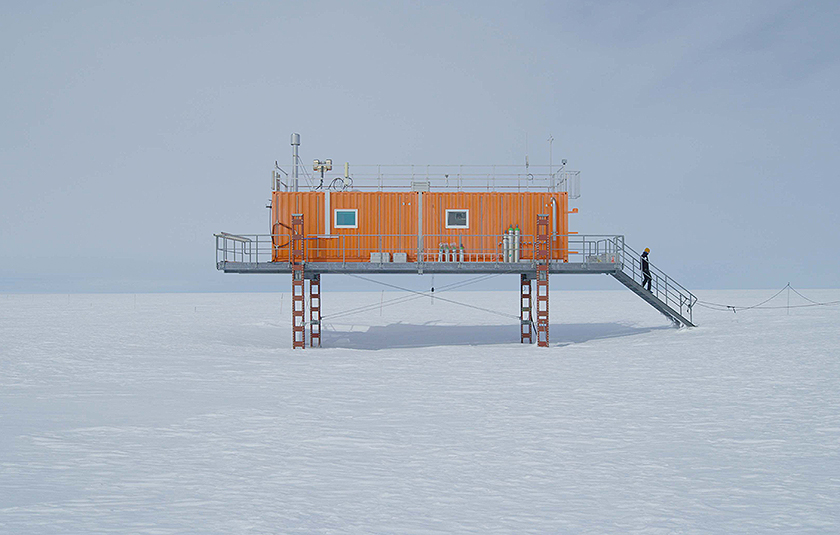
Acclaimed Austrian filmmaker Nikolaus Geyrhalter brings his signature visual precision to MELT, an extraordinary cinematic expedition across Antarctica, Japan, Canada, France and the Alps. Vast glaciers crack apart, tourists party on artificial snow, and scientists race to understand accelerating change. The result is a monumental record of a frozen world transforming before our eyes.
MISSING RIO DOCE (Claudia Neubern) returns to the site of Brazil’s worst environmental disaster, where a mining dam collapse unleashed toxic sludge into the Rio Doce river system. Blending investigative urgency with intimate testimony, the film follows communities still fighting for justice years later.
Further information, screening dates and ticket links can be found at ukgreenfilmfestival.org.