


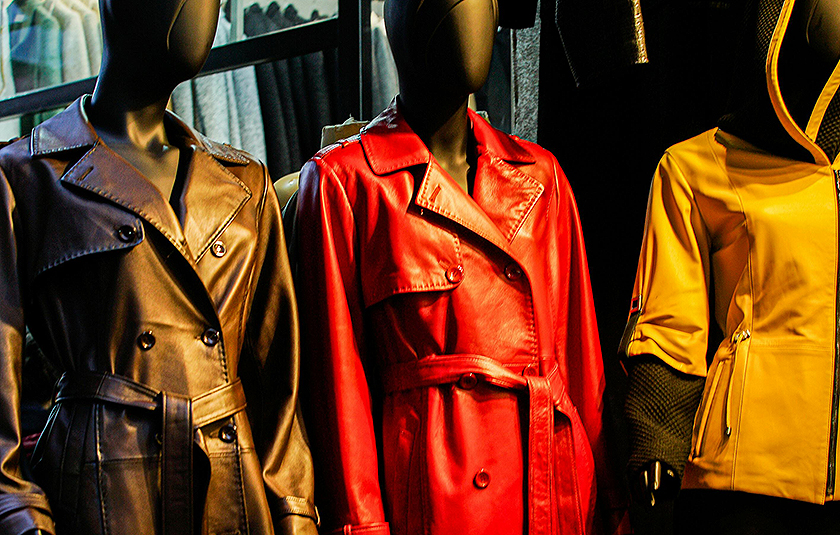
Behind closed doors in Brussels, the leather industry is fighting tooth and nail to water down Europe’s landmark deforestation law.
The lobbying campaign is aiming to exclude leather from the EU Deforestation Regulation (EUDR), a groundbreaking law designed to prevent products linked to forest destruction from entering the European market.
Leading the charge is COTANCE, the federation of European leather tanning associations, that has spent years lobbying European Commission officials, politicians and Commissioners directly to remove leather from the EUDR.
In March 2026, backed by industry associations from the US, Australia, Africa, and New Zealand, as well as Italy’s own Foreign Minister, COTANCE escalated their campaign. They coordinated a joint submission to European Commission President Ursula von der Leyen calling for leather’s removal.
Michael Rice, Sustainable Trade Lawyer at ClientEarth, describes Italy’s involvement as “an extraordinary level of political mobilisation”. “When a brand says its leather is ‘Made in Italy’, that only tells you where it was processed – not where the cow was raised, or whether that land was stolen from Indigenous peoples or deforested illegally. Right now, those are questions nobody is required to answer. This law would change that, and the leather lobby is doing its utmost to make sure it doesn’t.”

Critics warn this would create a major loophole in one of the world’s most ambitious environmental laws. Leather from South America carries one of the highest deforestation footprints. Between 2001-2022, cattle production for meat and leather accounted for 42% of world’s deforestation – an area roughly the size of Spain.
On 4th May, campaigners’ fears materialised when the Commission published a proposal that would remove leather from the law’s scope.
The draft Act is now open for public feedback until 1 June 2026, creating a narrow window for businesses, campaigners and the public to influence the final decision.
Why Leather Matters
The EUDR was introduced to ensure that products sold in the EU are not linked to deforestation. The law covers a range of products associated with forest loss, including soy, palm oil, coffee and cocoa.
Leather has long been considered one of the regulation’s most important test cases because of the livestock industry’s enormous environmental footprint.
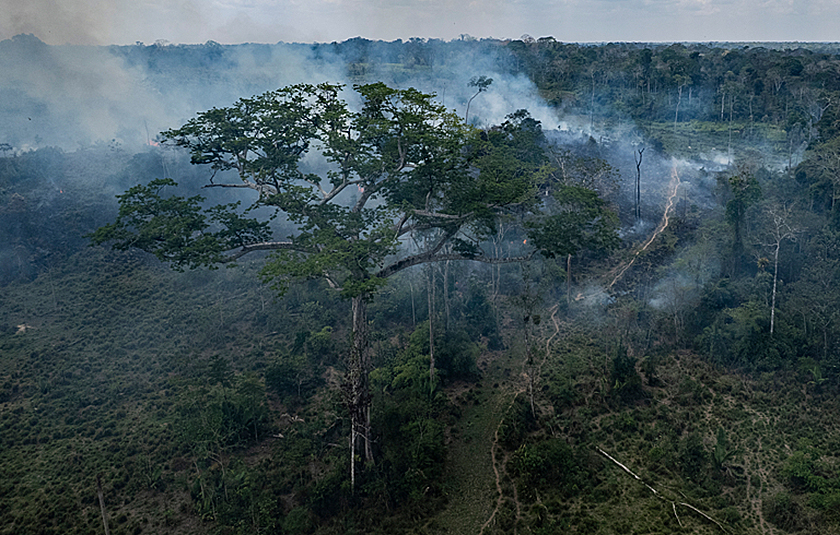
Rice says, “this is the real crime against fashion. Cattle ranching for meat and leather is the primary driver of deforestation in the Amazon, usually accompanied by illegal land-grabbing, violence against Indigenous communities and slave labour conditions.”
Billions in environmental benefits at stake
Despite claims from the industry that leather is a “harmless byproduct”, studies show that maintaining leather under the law could generate nearly €2 billion annually in environmental benefits through avoided emissions, biodiversity protection and reduced ecosystem destruction. Rice explains, “the leather industry says that all the dirty, destructive impacts of cattle farming are just linked to meat, and that the cow hides that come from the same slaughterhouse are merely an incidental byproduct that has nothing to do with those impacts. But the truth is that the story of “Italian leather” starts with the cow, and credible investigations have shown that it often starts on stolen Indigenous land in the Amazon.”
For sustainable fashion brands in particular, the proposal presents a difficult contradiction. Many companies have publicly committed to deforestation-free supply chains and stronger environmental standards, yet few are currently aware that leather’s status under the EUDR is under threat. Campaigners argue those promises will mean little if leather is removed, and say that brands’ lack of awareness is the main reason why the industry’s lobbying effort has progressed with such little scrutiny. Rice believes it is nothing less than an existential threat and says that “the next two weeks could make or break the sustainable fashion industry.”
The deadline approaches…
Environmental organisations are now racing to mobilise businesses and public support before the consultation period closes on 1 June.
The immediate priority is increasing participation in the Commission’s public consultation process, where companies and organisations can formally register opposition to the proposed change.
Investigative NGO Earthsight has prepared guidance for businesses seeking to submit responses, while ClientEarth and partners have launched an open letter inviting companies to publicly support deforestation-free supply chains and oppose the removal of leather from the law.
Campaigners are also calling on brands to issue public statements defending the EUDR and reaffirming their commitments to eliminating deforestation from their supply chains.
The stakes extend beyond leather alone. Environmental groups warn that if the Commission weakens the law under industry pressure before it is fully implemented, it could embolden lobbying efforts targeting other commodities in future. This therefore marks a broader test, of whether the EU is willing to uphold its environmental commitments when confronted by powerful commercial interests.
Links:
- The top priority is getting businesses to participate in the public consultation, and make their voices heard. NGOs have published a public call on fashion brands to have a say in a matter that could make or break their sustainable credentials. ClientEarth partner Earthsight has prepared this guidance for organisations and businesses who want to respond.
- Key reports include Earthsight’s Hidden Price of Luxury, which traced Italian leather supply chains to illegal land seizure and human rights abuses in the Brazilian Amazon, and other reports from the Environmental Investigation Agency and Human Rights Watch.
Photos by : Eyupcan Timur, Shoreline Vehicles, Kristian Bogh