



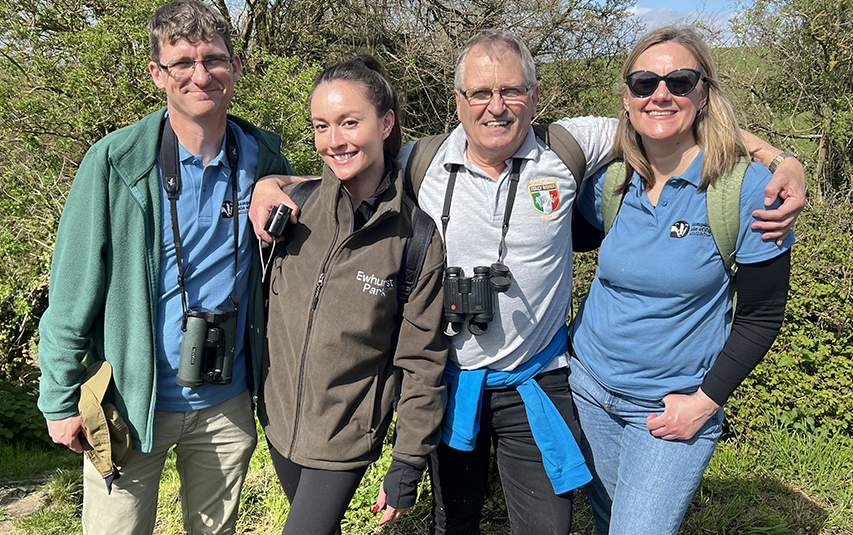
A lot can happen during a year of ‘rewilding’. At Ewhurst Park we are turning a 925-acre former hunting estate back to nature, and we have seen some incredible changes as a result of tactical land management, which often involves simply leaving nature to do its own thing with some gentle interventions.
Environment

Give a Hoot
Published in
Wilding – a hands-off approach to ecological restoration – is becoming an increasingly popular phenomenon in big cities. And where there are trees, there are birds – discover Sublime magazine’s guide to birdwatching.

The Forest Town
Published in
Singapore’s first smart town, Tengah, is a remarkable project which incorporates nature into its urban area. Sublime finds out more about the five unique districts that will provide necessary environmental and social aspects to its residents
Farming can restore nature
Published in
I’ve noticed a shift in thinking around the term ‘rewilding’. There is now a new appreciation of the need to include the farming community in conversations around restoring nature while producing food.

Trade not always good for planet
Published in
I was interested to see the UK has joined the Pacific trading pact CPTPP, a trading agreement with 11 countries, including my birth nation Malaysia.

Bring back pollinators
Published in
Why don’t insects splat onto our car windscreens anymore? Because insect populations are in decline. Most worryingly, we’re losing the pollinators we need for the food chain, including bees and butterflies.

Beavers back from extinction
Published in
Hunted to extinction in England over 400 years ago, now two beavers have been released into the wild as part of a land regeneration project in Hampshire.
The Nameless Call
Published in
We sometimes make the mistake of believing that we have seen it all now. However, an epic adventure a year ago has destroyed this assumption, and some other things we claimed to have known.
Home Biogas
Published in
HomeBiogas develops ground-breaking, easy-to-use biogas systems, enabling people and businesses to turn their organic waste into self-made clean energy and fertiliser, on-site.
